

Dan Klein is a digital marketing expert who created a training program focused on local lead generation. His program teaches students to build websites, rank them in search engines, and rent them to local businesses for monthly income. Klein has been running coaching calls and teaching this business model since 2014, partnering with students like Ippei Kanehara to grow the program.

You might have heard about Job Killing, the original name of Klein’s course. The program went through a rebranding after facing negative attacks from online critics. Today, it operates under the Ippei Lead Generation name but still delivers the same training and coaching that Klein developed over a decade ago.
This review looks at Dan Klein’s background, his teaching methods, and what students actually experience in the program. You’ll learn about the costs, the business model he teaches, and how his approach compares to other options in the digital marketing space. We’ll cover real student results and help you decide if this type of training fits your goals.
Who Is Dan Klein?

Dan Klein built his reputation in digital marketing by creating and teaching the local lead generation business model. He has worked in this field since 2014 and partnered with others to help entrepreneurs build online businesses through SEO and local marketing strategies.
Career Background and Online Business Ventures
Dan Klein started the local lead generation training program in 2014 with Bradley Cooper. The program teaches people how to create websites that rank on Google and generate leads for local businesses. This approach is called the rank and rent method.
His business grew quickly. In 18 months, his coaching and training business brought in 6 million in sales and added 1,200 new clients. These numbers show how many people wanted to learn his methods.
The Job Killing program was one of his early training courses. It focused on teaching entrepreneurs how to build websites, rank them on page one of search engines, and rent them to local businesses for monthly income. This program ran for almost 7 years and established Klein’s name in the digital marketing education space.
Ippei Kanehara and Key Partnerships
Ippei Kanehara was originally a student of Dan Klein. Klein saw potential in Ippei and recruited him to help run the lead generation training and coaching program. This partnership changed how the program operated.
Today, Dan Klein and Ippei Kanehara run the local lead gen course together. Ippei brought his own success story to the program. He built 80 rank and rent websites that generate passive income.
Brad Campbell was Klein’s initial business partner when the program launched in 2014. The program has maintained a private Facebook group with over 7,000 students. Klein and his partners have held two weekly coaching calls since 2014, showing long-term commitment to student success.
Influence in Digital Marketing Education
Dan Klein shaped how people view local lead generation as a business model. His teaching methods focus on practical steps rather than theory. Students learn to build websites, optimize them for search engines, and negotiate deals with local business owners.
Several other courses in the rank and rent space trace back to his teachings. Programs like BAM University and Digital Storefronts by Cory Long stem from Klein’s methods. This shows his influence spread beyond his own courses.
His approach solved a major problem in traditional SEO work. When you do regular SEO for clients, they can drop you once they get results. Klein’s model lets you keep control because you own the websites. If a client stops paying, you can send leads to their competitor instead.
The Evolution of Job Killing and the Ippei Lead Generation Course
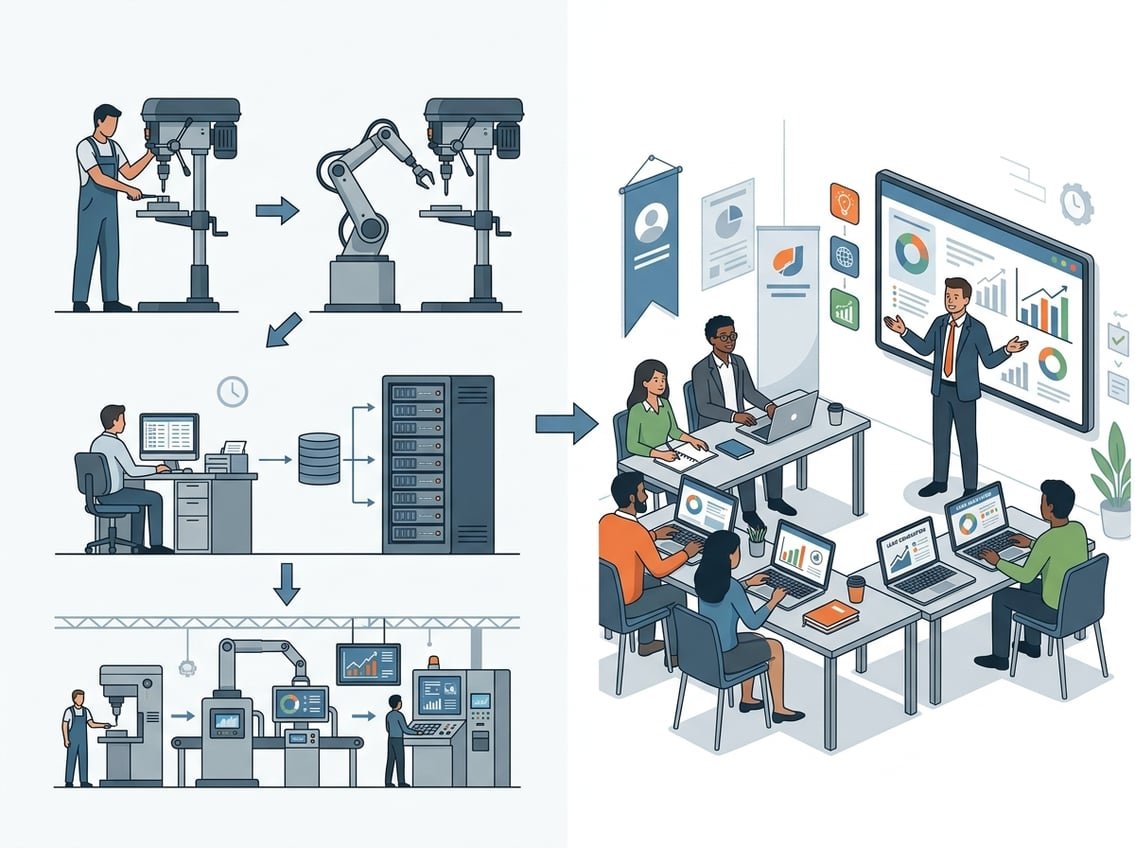
The Job Killing program has undergone significant changes since its launch, transitioning from Dan Klein’s original system into what’s now known as Ippei Lead Generation. The course maintains its core focus on teaching local lead generation while adding community support and updated training methods.
History and Program Rebranding
Dan Klein originally created the Job Killing system as his foundational approach to local lead generation. When he recruited Ippei Kanehara years ago, the program began its transformation into what you know today as Ippei Lead Generation.
The rebranding represented more than just a name change. Ippei, who started as Dan’s student, became a business partner and helped reshape the training program. The core methodology stayed the same, teaching you how to build websites that rank in Google and generate leads for local businesses.
The course price has shifted over time. In 2019, the Job Killing cost was around $6,000. By 2026, reports suggest the Ippei Lead Generation course ranges from $4,860 to $7,860 for full lifetime access. The exact price depends on when you join and whether you pay in full or choose a payment plan.
Role of Private Facebook Group and Community
Your access to the private Facebook group is one of the most valued parts of the lead generation training. The community includes over 6,000 members who actively share advice and support.
Students consistently mention the private Facebook group as worth the course investment alone. You can get real-time help 24/7 from other members working through the same challenges. The group creates what many describe as a family atmosphere where everyone wants to see each other succeed.
Beyond the private Facebook group, there’s also a public group available. However, the public version tends to be less active than the private community reserved for paying members.
Program Structure and Approach
The lead generation course delivers approximately 30 hours of video training covering the complete process. You’ll watch screencasts where Dan Klein and Ippei Kanehara demonstrate each step, from building websites to optimizing them for search engines.
Live coaching happens twice weekly through group calls where you can ask questions and get direct feedback. You get unlimited Q&A access with Dan as part of your lead generation coaching. The program also includes custom tools like call tracking software and an automated prospecting system.
The training covers multiple lead generation methods including Google My Business optimization, paid ads, LinkedIn prospecting, and SEO techniques. You’ll learn website setup, keyword research, and how to negotiate with local business owners who will pay you for leads.
Understanding the Local Lead Generation Business Model

Local lead generation connects service providers with customers who need their help. This business model uses simple websites to capture demand in specific cities, then sells those leads to local companies for monthly fees.
What Is Local Lead Gen?
Local lead generation is a business where you build websites that attract customers searching for services in their area. You create these sites to rank on Google for searches like “Dallas tree removal” or “Phoenix plumbing repair.” When people find your site and call or fill out a form, you sell those contacts to local businesses.
The process works as a middleman system. You don’t provide the actual service yourself. Instead, you connect people who need work done with companies who can do it. Local businesses pay you because they struggle to get customers on their own.
This model focuses on home services like roofing, HVAC, concrete work, and pest control. These niches work well because customers typically call before buying. A single lead can be worth hundreds or thousands of dollars to the business that receives it.
Rank and Rent SEO Explained
Rank and rent is the main strategy used in local lead generation. You build a website, get it to rank on Google’s first page, then rent out the leads it generates to a local business owner.
The “rank” part means using SEO to get your site visible on Google. You target low-competition cities and service keywords. The “rent” part means charging a monthly fee to send leads to a business partner.
Most rank and rent sites earn between $500 and $3,000 per month once ranked. You can scale by building multiple sites across different cities and niches.
Comparing to Affiliate Marketing and Dropshipping
Local lead generation differs from other online business models in several ways:
| Business Model | Startup Cost | Competition | Income Stability |
|---|---|---|---|
| Local Lead Gen | $500-$2,500 | Low (local only) | High (monthly recurring) |
| Affiliate Marketing | $100-$500 | Very High (global) | Low (one-time commissions) |
| Dropshipping | $500-$5,000 | Very High (global) | Medium (transaction-based) |
| Amazon FBA | $3,000-$10,000 | Very High (global) | Medium (product-dependent) |
With affiliate marketing, you compete globally and earn one-time commissions. With dropshipping and Amazon FBA, you deal with inventory, customer service, and constant price competition. Local lead gen gives you recurring income from the same client each month without managing products or refunds.
SEO Tactics and Tools Taught by Dan Klein

Dan Klein’s program focuses on practical search engine optimization methods that help you rank websites on Google’s first page. You’ll learn targeted strategies for local businesses, including keyword research, backlink building, and Google My Business optimization to generate leads that convert into paying clients.
Keyword Research and Local SEO
The program teaches you how to find keywords that local customers actually use when searching for services. You’ll learn to target specific cities and service areas where competition is lower and rankings are easier to achieve. The training covers long-tail keywords that combine service types with location names, like “emergency plumber in Phoenix” or “tree removal Austin.”
Local SEO strategies focus on helping you rank for geographic-specific searches. You’ll discover how to optimize your content with location-based terms and structure your pages to match what search engines look for. The course shows you which keyword research tools work best for finding profitable niches.
You’ll learn to evaluate search volume and competition levels before building sites. This helps you avoid wasting time on keywords that are too competitive or don’t generate enough traffic. The training emphasizes finding the balance between search demand and ranking difficulty.
Backlinks, Google My Business, and GMB Optimization
Dan Klein’s training covers backlink strategies to boost your site’s authority in Google’s eyes. You’ll learn where to get quality links that improve your rankings without triggering penalties. The program teaches both free and paid methods for building your backlink profile over time.
Google My Business optimization is a core part of the local SEO training. You’ll discover how to set up and verify GMB listings even when you don’t own the actual business. The course covers how to optimize your GMB profile with the right categories, descriptions, and images to rank in the map pack.
Citation building across local directories strengthens your local SEO signals. You’ll learn which directories matter most for different service industries. The training includes methods to keep your business information consistent across all platforms.
Call Tracking and Automated Prospecting Systems
Call tracking software is essential to the business model Dan Klein teaches. You’ll use these tools to monitor how many leads each website generates. This data helps you prove value to potential clients and justify your monthly fees.
The program includes automated prospecting systems to find SEO clients who need your services. You’ll get email templates and scripts for reaching out to local business owners. These systems help you identify businesses that struggle with online marketing and would benefit from your lead generation sites.
The training shows you how to track your outreach efforts and follow up with prospects. You’ll learn which metrics to monitor and how to improve your conversion rates when signing new clients.
Training Features: Live Coaching, Video Lessons, and Support
Dan Klein’s program provides structured training through video lessons, regular coaching calls, and community access. You get direct support from experienced instructors who have built successful lead generation businesses themselves.
Live Coaching Calls and Personalized Feedback
Dan Klein runs live coaching calls twice per week and has kept this schedule going since 2014. These calls give you a chance to ask questions about your specific challenges and get real-time answers from someone who knows the business inside and out.
You can bring up issues with your digital properties, whether you’re stuck on ranking a site or having trouble closing a client. The live coaching format means you’re not just watching pre-recorded content and hoping you understood it right. Other students also share their experiences during these calls, which helps you learn from their wins and mistakes.
The calls get recorded so you can watch them later if you miss one. This flexibility lets you review specific topics when you need a refresher. You’ll get personalized feedback on your approach rather than generic advice that might not apply to your situation.
Community Access and Networking Benefits
Your enrollment includes access to a private Facebook group with over 7,400 members who are building their own lead gen businesses. This community becomes valuable when you need quick answers or want to see what’s working for others right now.
Members post their results and share strategies that helped them rank sites or land new clients. You can connect with other students in your area or niche to share leads you don’t want to pursue yourself. The group also helps you stay motivated when you hit rough patches or feel stuck.
The networking goes beyond online interactions. The program hosts annual events in Las Vegas where you can meet other members face-to-face and build stronger relationships.
Support, Team Building, and Scaling
The lead gen training includes guidance on building a team as your business grows. You learn when to hire help and what tasks to outsource first. This support extends beyond just the technical side of ranking websites.
You get access to coaches who help you work through the business side of lead generation. They teach you how to scale from one site to multiple digital properties without getting overwhelmed. The program also provides templates and systems that make it easier to manage multiple clients at once.
Dan and his team help you understand which tools you need at different stages of growth. This prevents you from spending money on software or services before you actually need them.
Success Stories, Testimonials, and Student Outcomes
Students in Dan Klein’s program report earning between $2,000 and $10,000 monthly from their lead generation sites, though results vary widely and many students struggle to achieve consistent income.
Real-Life Passive Income Results
The success stories from Job Killing highlight students who learned to create and rank websites effectively. Several testimonials mention achieving monthly earnings in the $2,000 to $10,000 range from their lead gen websites.
One notable student, Ryan Leonard, used the training to save a struggling business. He applied Dan Klein and Ippei Kanehara’s strategies to generate leads through organic lead generation methods. Other students report building multiple lead generation sites that produce recurring monthly payments from local business clients.
The passive income aspect comes from websites that continue generating leads after they rank on Google. However, these results require ongoing maintenance and aren’t completely hands-off. You need to monitor rankings and adjust your sites to keep them performing well.
Case Studies from Local Businesses
Students typically target service businesses like tree removal companies, plumbers, and contractors. These local businesses pay monthly fees for the leads they receive from your ranked websites.
The business model works by creating simple websites focused on specific services in particular cities. Once your site ranks at the top of Google search results, it starts generating phone calls from potential customers. You then rent these leads to business owners who need more customers.
Some students charge $500 to $2,000 per month depending on the niche and location. The value to local businesses comes from getting customers without doing their own marketing work.
Student Reviews and Transparency
The Better Business Bureau shows numerous complaints from students who couldn’t make money with the program. Many people report struggling to get results despite completing the training and investing in tools and hosting.
Not all testimonials are negative. The private Facebook group has over 7,400 members, and some students share positive updates about their ranking successes and client wins. Students who joined in 2014 mention being self-employed since 2015 because of the skills they learned.
The mixed reviews suggest that success depends heavily on your effort, market selection, and ability to build websites that actually rank. You should approach the program knowing that results aren’t guaranteed and many students don’t achieve the income levels mentioned in success stories.
Pricing, Refund Policy, and Accessibility
Dan Klein’s lead generation course comes with a significant price tag and unclear refund terms. The total cost ranges from $4,860 to $8,778, depending on your payment method, plus ongoing monthly expenses for tools and website maintenance.
Course Cost and Payment Structure
The course costs between $4,860 and $8,778. You pay less if you make a single payment upfront. You won’t find these prices on their website. You need to schedule a call with a sales representative to learn the exact cost.
Beyond the initial course fee, you’ll face monthly expenses. Website hosting costs about $25 per month for each site you build. Call tracking services run $44 to $145 monthly through CallRail or $498 as a one-time fee with Callsling. You’ll also need keyword research tools like AHREFs at $99 monthly or SpyFu at $33 to $199 monthly.
A PO box for your business address costs $19 to $75 for six months. If you want to speed up results, ad spend starts at $200 per month. Each website you create adds roughly $50 in monthly costs. If you build 10 websites, expect to pay around $500 monthly to maintain them all.
Refund and Lifetime Access Details
The refund policy is not clearly stated anywhere on their website or in public materials. You need to ask the sales representative about refund terms when you speak with them on the phone. Some reports suggest the course does not offer refunds, but this hasn’t been officially confirmed.
Dan Klein has been running coaching calls twice per week since 2014. This suggests some form of ongoing access to the program materials and community. However, the term “lifetime access” isn’t explicitly used in their marketing. You should clarify what access you get and for how long during your sales call.
Is the Investment Worth It?
The high upfront cost makes this course a risky investment for most people. You need several months to rank a website on Google’s first page. Even after ranking, finding clients willing to pay $1,000 to $2,000 monthly can be difficult. Many business owners prefer using Google Ads directly instead of renting lead generation sites.
The private blog network methods taught in the course violate Google’s policies. Your site could lose all rankings if Google catches these tactics. This puts your entire investment at risk. Most experienced online marketers avoid the rank and rent model for these reasons.
Prospecting and Closing Deals with Local Clients
Dan Klein’s program teaches you how to find and sign local businesses once your lead generation sites start producing results. The approach focuses on direct outreach methods and proven closing techniques that work specifically for the lead generation business model.
Automated Prospecting and Outreach Tactics
You’ll learn to identify potential clients in your niche by searching for businesses that need better online visibility. The training covers how to use automated prospecting tools that find business contact information and track your outreach efforts.
Cold calling remains a primary method in Dan’s system. You contact business owners directly and show them the leads you’re already generating from your ranked website. This gives you immediate credibility since you’re not selling a future promise.
Email outreach is taught as a secondary option. You send targeted messages to local businesses explaining how you can send them customers right away. Some students also use paid ads like Facebook Ads to reach business owners in specific service industries.
The program includes scripts and templates for initial contact. You’ll get specific language that explains the value proposition clearly to busy business owners who don’t understand SEO or digital marketing.
Closing Strategies for Local Lead Gen Clients
Your closing approach centers on demonstrating proof before asking for payment. You show business owners the actual leads coming through your site and offer them a trial period to test the quality. This removes their risk and makes the decision easier.
Dan teaches a straightforward pricing structure. Most students charge between $500 to $2,000 per month depending on the industry and lead volume. Higher-ticket services like roofing or legal work command premium rates.
You’ll learn to position yourself as a lead provider rather than a marketing consultant. This keeps the relationship simple. Business owners pay you monthly for exclusive access to the leads your website generates in their area.
The training covers objection handling for common concerns about lead quality, exclusivity, and contract terms. You’ll also learn when to walk away from clients who aren’t a good fit for the business model.
Alternatives and How Dan Klein’s System Compares
Dan Klein’s local lead generation program exists in a crowded online business space with several competing models that promise income generation. The main consideration is whether the rank and rent method fits your skills and goals better than other popular options.
Comparison to Other Business Models
Affiliate marketing involves promoting other people’s products for commissions. You don’t own anything, and your income depends on making sales through your unique links. This model requires constant content creation and traffic generation.
Amazon FBA lets you sell physical products through Amazon’s warehouse network. You need to invest in inventory upfront. You’ll handle product research, sourcing, and deal with thin profit margins. Storage fees eat into your earnings.
Dropshipping means selling products you never touch. Your supplier ships directly to customers. You face intense competition and low margins. Customer service issues often arise from shipping delays you can’t control.
Dan Klein’s system differs because you build digital assets you own. Your lead generation sites produce recurring income once ranked. You don’t handle inventory, shipping, or customer complaints about products. The model focuses on internet marketing skills like SEO and connecting businesses with customers who need their services.
Who Should Consider This Program?
This program works best if you’re willing to learn SEO and web development basics. You need patience because ranking sites takes 3-6 months of consistent work before you see income.
You should have startup capital for domains, hosting, and tools. The initial investment is lower than Amazon FBA but higher than starting affiliate marketing with free content.
This isn’t right for you if you want quick cash or hate technical tasks. People who succeed want to build long-term assets and don’t mind talking to business owners on the phone. The model rewards people who can follow a system and stick with it through the learning curve.
Frequently Asked Questions
Daniel Klein watches raise common questions about their value, origins, and quality. Here’s what you need to know about this watch brand and how to make smart buying decisions.
Is Daniel Klein considered a good watch brand for the price?
Daniel Klein offers affordable watches that work well as fashion accessories. You get decent style and basic functionality without spending much money.
The quality matches the low price point. These watches use standard quartz movements and basic materials. You won’t get luxury craftsmanship, but they serve their purpose for casual wear.
Most buyers view Daniel Klein as an entry-level brand. If you want a watch that looks nice for everyday occasions and doesn’t break the bank, it fits that need. Don’t expect the same durability or precision you’d find in higher-priced brands.
Which country is the Daniel Klein brand from?
Daniel Klein originated in Italy as a fashion watch brand. The company markets itself with European styling and design influences.
The brand focuses on creating trendy, accessible timepieces. Many people assume it’s a traditional watchmaking company, but it’s actually a fashion brand that makes watches.
Despite its Italian roots, the actual manufacturing happens elsewhere. This is common practice in the fashion watch industry where design and production occur in different locations.
Who manufactures Daniel Klein watches?
Chinese factories produce most Daniel Klein watches. This keeps costs low and allows the brand to offer affordable prices.
The watches use mass-produced components and movements. Standard quartz movements power most models. Assembly happens in factories that make watches for multiple brands.
This manufacturing approach is typical for fashion watch brands. You’re paying for the design and brand name rather than specialized watchmaking expertise.
How can you tell if a Daniel Klein watch is original or fake?
Check the packaging first. Original Daniel Klein watches come in proper branded boxes with warranty cards and instruction manuals.
Look at the watch face carefully. Real Daniel Klein watches have clean printing and even spacing. The brand name should be clearly printed without smudging or spelling errors.
Inspect the weight and build quality. Authentic watches feel solid and have smooth edges. The crown should turn easily, and any date windows should align properly.
Buy from authorized dealers when possible. This gives you the best chance of getting a genuine product. If the price seems too low, it probably is.
How does Daniel Klein compare to Casio in terms of quality and value?
Casio offers better value for your money. Casio watches have proven reliability and often include more features at similar or lower prices.
Casio focuses on function and durability. Their watches undergo strict quality testing. Many Casio models last for years with minimal maintenance.
Daniel Klein emphasizes style over substance. You’re buying a fashion accessory more than a precision timepiece. Casio watches typically outlast Daniel Klein models and maintain better accuracy.
For everyday use and long-term value, Casio wins. For fashion-forward looks at budget prices, Daniel Klein serves that specific purpose.
What’s the best way to choose a Daniel Klein watch model for everyday use?
Start with your style preferences. Daniel Klein offers various designs from casual to dressy. Pick something that matches most of your outfits.
Consider the watch size on your wrist. Measure your wrist and check the case diameter before buying. A watch that’s too large or small looks awkward.
Think about features you actually need. Do you want a date display? Water resistance? Keep it simple if you just need basic timekeeping.
Check reviews for specific models. Other buyers share helpful information about durability and accuracy. Look for models with consistently positive feedback.
Set a clear budget and stick to it. Daniel Klein watches are already affordable, so don’t overspend on features you won’t use.